
Amid the global push for carbon neutrality, the shift toward electrified waterborne transport is no longer a matter of if, but how and how fast.At the forefront of this shift are small and medium-sized ferries under 20 meters. As the workhorses of short-distance, high-frequency water transport, they are poised for unprecedented electrification opportunities. Operating on regular, high-frequency routes—from urban river crossings and island shuttles to short-distance sightseeing tours—these vessels serve as floating “city icons,” earning them the well-deserved nickname: water buses. This article dives into the electrification pathways, key technological choices, and critical challenges shaping this niche market.
Compared to their larger counterparts, ferries under 20 meters possess a unique set of operational traits that make them a perfect match for electric power:
These very traits align perfectly with the inherent strengths of electric solutions: zero emissions, silent operation, instant torque, and significantly lower operating costs.
When it comes to propulsion for small and medium-sized ferries, electric outboards are emerging as the clear frontrunner—and for good reason. Here’s how they stack up against traditional inboard systems:
| Considerations | Electric Outboard Motor | Electric Inboard Motor |
| Space | Zero cabin space,batteries can be strategically placed for optimal weight distribution. | Consumes premium cabin real estate, directly competing with passenger or cargo space. |
| Installation and Maintenance | True plug-and-play: modular design enables quick installation; routine maintenance (propeller, gear oil) can be performed dockside, without haul-out. | Installation is labor-intensive; propeller and seal repairs require dry-docking; gearbox service is cumbersome in confined engine rooms. |
| System | Fully integrated package: propulsion, control, and thermal management in one compact unit—fewer failure points, higher reliability. | Fragmented architecture: separate components with complex shafts, seals, and cooling loops, increasing potential failure points. |
| Flexibility for Multi-Motor Configuration | Effortless multi-motor configurations (twin or quad) enable enhanced maneuverability, smart vessel control, and built-in redundancy. | Multi-engine setups are mechanically complex, space-prohibitive, and offer limited operational flexibility. |
Built for the rigorous demands of ferry operations, ExploMar’s WAVE 300 and WAVE 150+ electric outboards are engineered to turn operational challenges into competitive advantages. Here’s how :
Configured in twin or multi-motor setups, the WAVE series scales effortlessly to match ferries of any size—from nimble 10-passenger shuttles to high-capacity 50-person vessels—delivering power with built-in redundancy for peace of mind.
For ferries running non-stop, day in and day out, the battery equation comes down to one thing: balance. Getting it right means optimizing across three critical dimensions—energy density, power density, and charging speed.
For decades, diesel ferry operators have wrestled with the same set of problems. Electrification doesn’t just patch them—it eliminates them at the source:
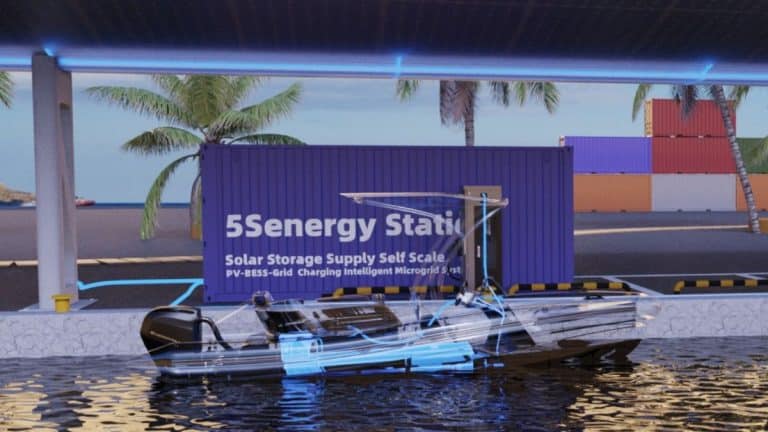
Electrifying a ferry is one thing. Electrifying an entire fleet—that’s where the real challenges begin. And they’re not on the water; they’re at the dock.
The electrification of small and medium-sized ferries under 20 meters isn’t just coming—it’s already here. Driven by converging forces—technology maturing, demand rising, policies aligning—this shift is inevitable. But make no mistake: it’s far more than swapping a diesel engine for a battery. It’s a fundamental upgrade—in how you operate, how passengers experience the ride, and how your business contributes to a cleaner world.
The right technology choices matter. Pair high-performance, reliable electric outboards with intelligent fast charging and integrated solar-storage systems, and you’re not just transitioning—you’re leapfrogging. Lower costs. Higher efficiency. A fleet that’s green, quiet, and unmistakably modern. That’s the new standard for water bus services.
The future isn’t on the horizon—it’s already at the dock. Across tranquil harbors and bustling waterways, electric ferries are quietly slipping their moorings, carrying not just passengers, but a vision of cleaner, smarter mobility. They’re headed somewhere worth going: a sustainable blue future.
From high-performance electric propulsion to dockside energy infrastructure, we deliver one-stop electrification solutions for small and medium vessels. And we don’t do it alone. Together with our partners, we’re architecting a complete electric maritime ecosystem—one ferry, one dock, one community at a time.