

Across Europe, a quiet transformation is taking place on the water. From alpine lakes in Germany and Switzerland to scenic leisure destinations in France, Austria, and Hungary, more boaters are discovering the benefits of electric propulsion for recreational cruising.
What once seemed like a niche technology is quickly becoming a new standard for leisure boating. Electric outboards are no longer limited to small tenders or experimental vessels—they are now powering a new generation of quiet, clean, and enjoyable boating experiences perfectly suited for lakes and inland waterways.
As spring and summer arrive, electric boating offers something increasingly valuable: the ability to reconnect with nature while navigating silently across some of Europe’s most beautiful landscapes.
One of the major drivers behind the growth of electric leisure boating is the increasing regulation of combustion engines on European lakes.
Many lakes across Europe are environmentally sensitive ecosystems and popular tourism destinations. Local authorities are implementing stricter policies to reduce pollution, protect water quality, and preserve the natural experience for residents and visitors alike.
Traditional gasoline-powered boats can release fuel residues, oil traces, and exhaust emissions directly into the environment. On smaller lakes with limited water circulation, even moderate boating activity can impact water quality over time.
Electric boats eliminate local exhaust emissions entirely, helping preserve fragile freshwater ecosystems.
Noise pollution has also become a growing concern. The sound of combustion engines can disrupt wildlife, reduce the sense of tranquility, and negatively affect the tourism experience around lakeside destinations.
Electric propulsion dramatically reduces noise levels, creating a more peaceful atmosphere both on and off the water.
European lakes offer ideal conditions for electric leisure boating.
Unlike offshore navigation, lake cruising typically involves:
These characteristics align perfectly with the strengths of electric propulsion systems.
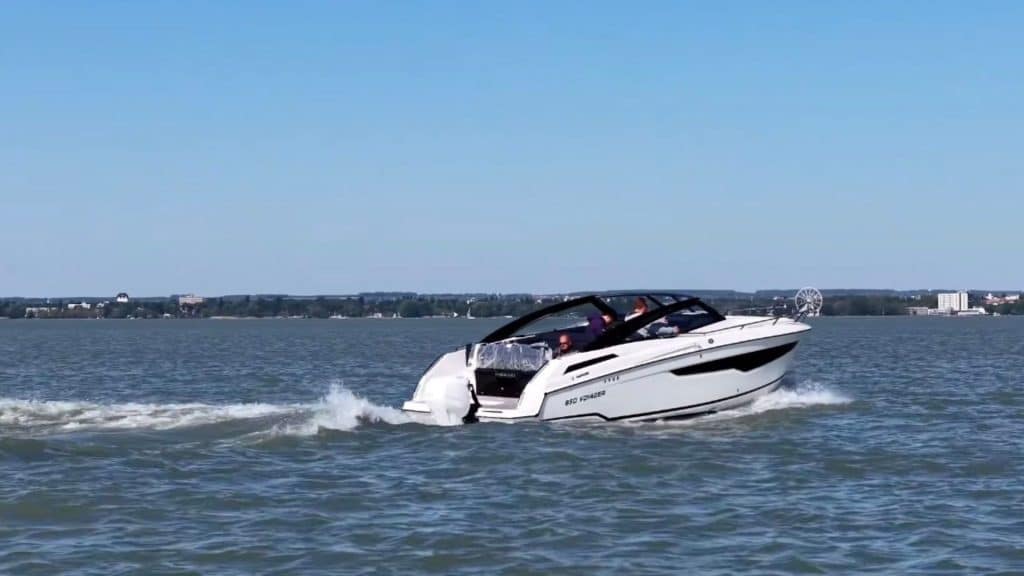
Most leisure boaters on lakes spend a few hours cruising, swimming, visiting lakeside restaurants, or exploring nearby villages. These shorter recreational trips are well within the operating range of modern electric outboards.
Rather than requiring extreme long-distance capability, lake boating prioritizes comfort, simplicity, and enjoyment—areas where electric propulsion excels.
Charging infrastructure around European lakes is also improving rapidly. Many marinas and waterfront facilities already provide shore power connections, while electric vehicle charging networks continue to expand across major tourism regions. This creates new opportunities for electric boat charging during docking, lunch breaks, or overnight stays, making electric boating increasingly practical for both leisure and commercial operations.
At the same time, charging solution brands such as Aqua superPower is accelerating the deployment of dedicated marine fast-charging networks across Europe’s key inland lakes and waterways, including destinations such as Lake Garda and Venice.
Europe’s most beautiful lakes are often protected natural environments. Electric boating allows visitors to experience these destinations with minimal environmental impact.
Regions such as:
are all particularly well suited for electric leisure cruising.
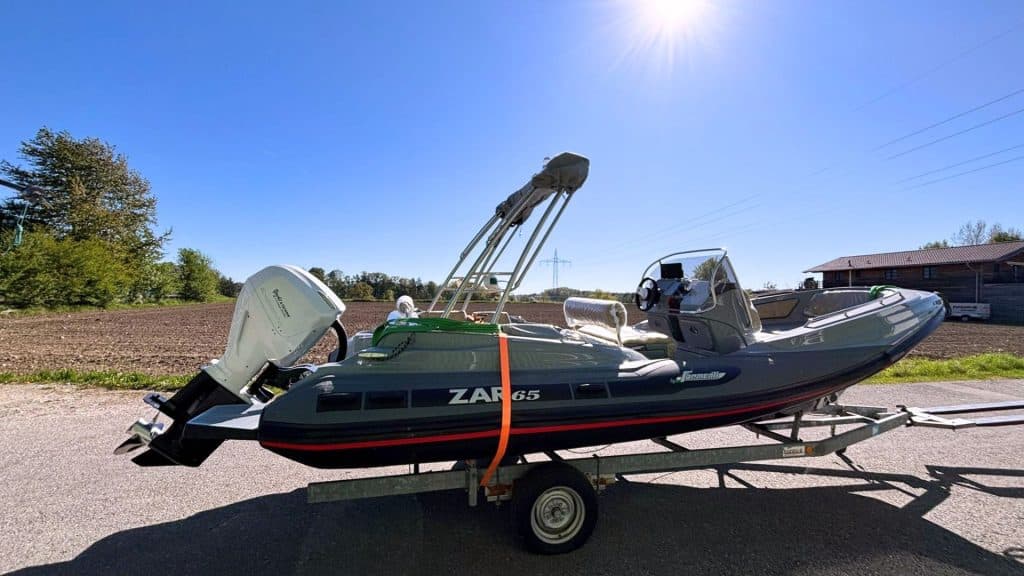
Electric boating offers a fundamentally different experience compared to traditional gasoline-powered navigation.
The difference becomes apparent the moment the boat leaves the dock.
Without the constant roar of an internal combustion engine, electric boats move almost silently across the water. Conversations become easier, relaxation feels more natural, and passengers can fully enjoy the surrounding landscape.
This quiet operation transforms boating into a more immersive experience.
Electric propulsion allows boaters to experience lakes in a more natural and peaceful way. Wildlife disturbance is reduced, and the sounds of water, wind, and nature become part of the journey again.
For many users, electric boating feels less mechanical and more connected to the environment.
Traditional gasoline engines generate vibration, engine heat, and fuel odors that can affect onboard comfort. Electric propulsion eliminates these inconveniences entirely.
The result is a cleaner, smoother, and more premium cruising experience—especially appreciated by families, couples, and casual recreational users.
Electric boats are particularly enjoyable during warm-weather leisure activities:
The calm and comfort of electric propulsion naturally enhance these moments.
One of the most common questions about electric boating is charging. Fortunately, lake environments are particularly favorable for electric charging solutions.
Many marinas already provide electrical connections for docked boats. In many cases, electric leisure boats can recharge directly from existing shore power systems.
As electric boating adoption grows, dedicated marine charging infrastructure is expected to expand significantly across Europe.
For trailerable leisure boats, charging can often be done directly at home, just like charging an electric car.
Owners can simply recharge overnight and begin the next day with a full battery.
Lake boating naturally includes many docking moments:
These pauses create ideal opportunities for partial charging throughout the day, reducing range concerns.
Some electric marine systems are beginning to adopt charging technologies compatible with electric vehicle infrastructure. As Europe’s EV charging network continues to grow, this compatibility may further simplify electric boating logistics.
As tourism regions continue investing in sustainable mobility, charging infrastructure around lakes is expected to become increasingly widespread.
Electric boating and electric mobility are likely to evolve together as part of a broader clean transportation ecosystem.
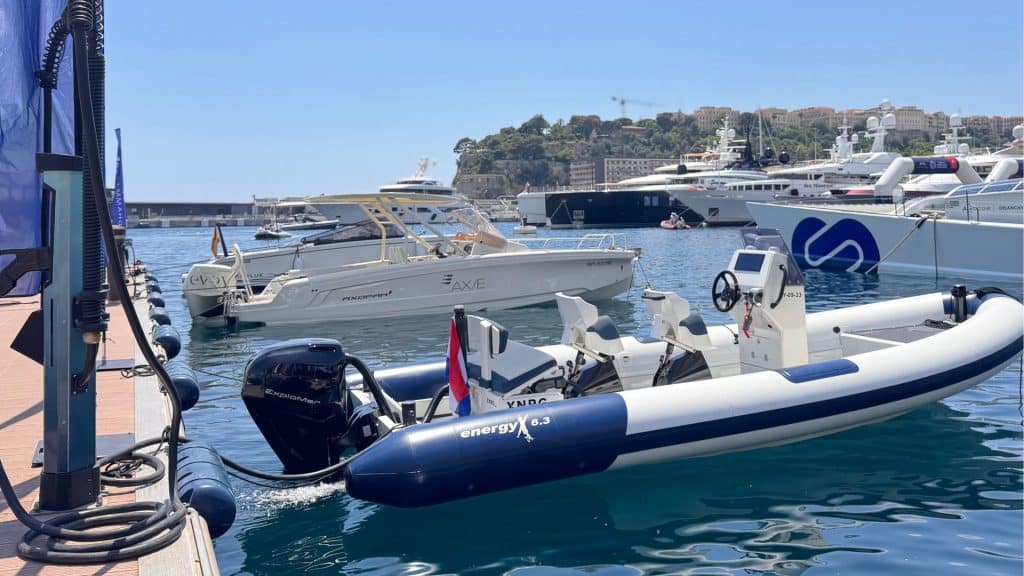
At ExploMar, electric propulsion is not viewed simply as a replacement for gasoline engines—it represents a new way to experience boating.
The goal is to create a cleaner, quieter, and more enjoyable form of leisure navigation adapted to modern expectations.
Electric outboards allow boaters to explore lakes while minimizing environmental impact and preserving the natural beauty of Europe’s waterways.
Modern electric systems simplify the boating experience through:
This accessibility makes electric boating attractive even for new or casual users.
Advances in battery and charging technology continue improving convenience and reducing downtime, making electric leisure boating increasingly practical for everyday recreational use.
Electric propulsion systems designed for leisure applications prioritize:
allowing users to focus entirely on the enjoyment of being on the water.
For families, couples, and recreational users, electric boats represent a more modern and relaxing vision of leisure boating—one aligned with sustainability, simplicity, and premium outdoor experiences.
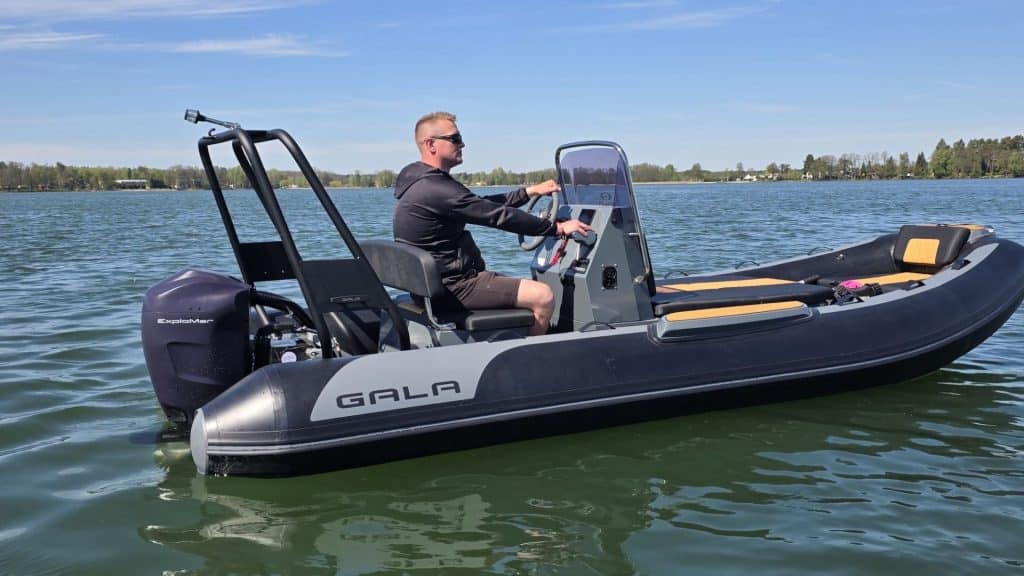
The transition toward electric boating on European lakes is already underway.
Driven by environmental regulations, technological progress, and changing consumer expectations, electric propulsion is becoming increasingly attractive for recreational users seeking quieter, cleaner, and more enjoyable experiences on the water.
Spring and summer leisure cruising is evolving beyond traditional boating habits. More boaters are discovering that electric propulsion does not reduce the pleasure of boating—it enhances it.
As charging infrastructure expands and electric technologies continue to improve, electric leisure boats are poised to become a defining part of the future of European lake tourism and recreation.