
Like an anchor at low tide, fuel prices and green mandates are weighing on your fleet. Over the past two years, marine fuel prices have increased by over 20%, and maintenance expenses for conventional engines have risen by nearly 15% due to increased wear and emission compliance requirements. Meanwhile, electric outboard motors have quietly taken the helm, reshaping the commercial marine landscape. More and more boat owners are making the switch to electric propulsion systems. So what is driving this change in the electric boat market?
Electric outboard motors offer an immediate and measurable cost advantage. Electricity costs are consistently lower than fuel expenses, and energy conversion efficiency is markedly higher. When you convert to delivered thrust, an electric outboard motor typically turns a far higher share of purchased energy into propulsion than an ICE outboard, and it wastes nothing at idle. That is ideal for harbour tours, safety cover, and survey lines. Modern electric boats with electric propulsion systems operate efficiently, turning more of their energy into usable performance while reducing operating costs and emissions.
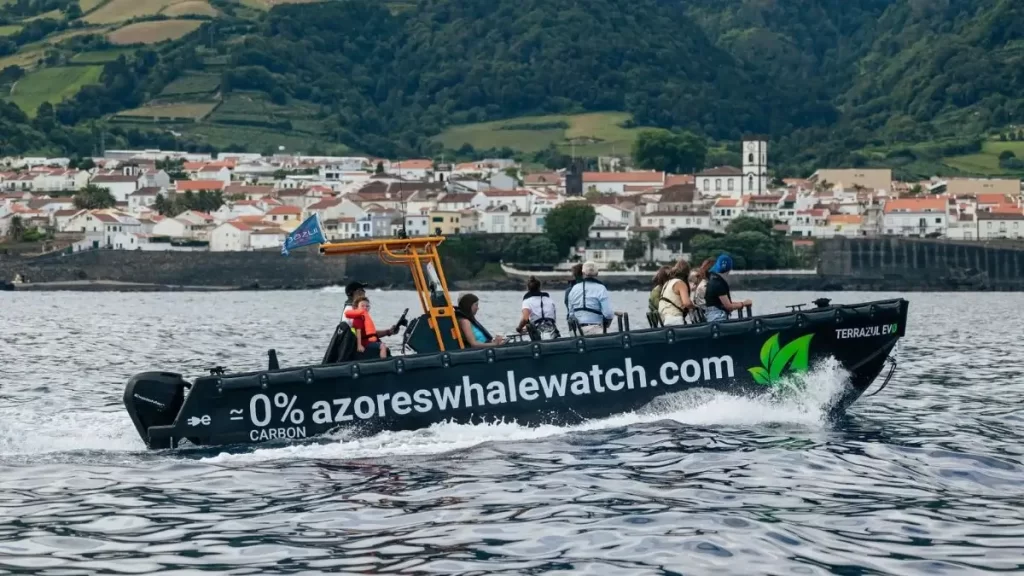
On the waters of Wuhan East Lake, the numbers tell a story of quiet transformation. A vessel powered by an ExploMar WAVE 300 electric outboard, operating around four hours per day, incurs electricity costs of roughly £28, compared with about £240 in petrol for a conventional 300 hp engine under identical conditions. In other words, electricity expenses amount to barely one-eighth of fuel costs. Over the course of more than a year of regular service, the vessel has saved an estimated 37,000 litres of fuel — equivalent to a cost saving of nearly £24,000 — and prevented approximately 85 tonnes of CO₂ emissions. Electric motors for boats are gaining popularity among eco-conscious boaters who want to enjoy a more sustainable boating experience.
| Power Rating | Propulsion Type | Energy Source | Average Energy Use per Hour | Typical UK Unit Cost (Oct 2025) | Approx. Operating Cost per Hour |
| 300 hp | Electric (ExploMar WAVE 300) | 3-Phase Shore Power / DC Fast-Charge | ~ 55 kWh | £0.26 / kWh (business avg.) | £14 – £16 |
| 300 hp | Petrol Outboard (ICE) | Unleaded Petrol (E10) | ~ 45 litres | £1.40 / litre (UK avg.) | £63 – £65 |
Assumptions: UK industrial electricity tariff ≈ £0.22–£0.30 / kWh (source: Ofgem Business Tariff Data); average petrol price ≈ £1.35–£1.45 / litre (source: UK Department for Energy Security & Net Zero, Q3 2025). Figures are indicative for commercial operating loads.
Electric drives remove fuel, ignition, and exhaust subsystems. This simpler structure of electric outboards results in significantly less routine service time, lower failure rates, and improved reliability. Modern electric boat motors offer fewer moving parts than traditional engines, meaning boat owners spend less time on maintenance and more time on the water.
Unlike retrofitted petrol-to-electric conversions, ExploMar’s high-performance electric outboards are conceived entirely from an electrification perspective. This holistic design philosophy maximises system synergy, reduces maintenance frequency, and shortens downtime caused by repairs—all of which directly enhance operational profitability. The advantages of electric motors include reduced wear on components and the elimination of many tasks associated with traditional combustion engines.
Noise is not only comfort but compliance and marketability. Controlled tests and engineering notes from leading e-boat developers and guides report 55–75 dB for many electric outboards, versus ~78–92+ dB measured for combustion outboards at higher loads. Reduced radiated noise benefits wildlife tours, scientific sampling, and enhances the boating experience. Electric boat motors operate with quieter operation, reducing noise pollution in sensitive marine environments and offering boat enthusiasts a more enjoyable cruising experience.
Unlike traditional petrol or diesel engines, electric outboard motors run clean. They produce no direct emissions and leave no oily traces behind. Conventional engines release carbon dioxide and particulate matter into the air and water, while electric systems run clean. The result is cleaner ports, healthier marine ecosystems, and a smaller carbon footprint for every operator. Electric propulsion systems offer boat owners a sustainable and environmentally friendly alternative to petrol engines.
Electric outboards also eliminate the harsh fuel odours and exhaust fumes that often make marine travel unpleasant. Without the background roar of combustion, passengers and crew can enjoy fresher air, quieter decks, and a more comfortable voyage. This makes electric propulsion ideal for tourism, passenger transport, and recreational boating, where comfort and sustainability are as important as performance.
As global emission standards tighten, more harbours are introducing low-emission zones. Electric propulsion lets vessels operate freely without facing penalties or restrictions. It also strengthens a company’s sustainability image in an increasingly eco-conscious market. In addition, businesses can save money by reducing or even avoiding the need to purchase carbon quotas. Investing in an electric outboard motor now positions fleets at the forefront of cleaner marine operations.
Unlike traditional outboard motors, electric models do not release pollutants. Electric propulsion can greatly reduce risks of fuel spills, unburnt hydrocarbons, and oil changes in marinas and sensitive inland waters. It helps protect fish, plants, and other marine life. Choosing an electric outboard motor makes your boating cleaner, contributing to sustainable waterway management and eco-conscious boating practices.
High performance electric outboard systems provides intelligent monitoring functions. They deliver predictive range, precise state-of-charge readings, torque control, remote diagnostics, and tariff-aware charging. This integration optimises energy use, extends range, and reduces maintenance, offering operators dependable performance and a seamless, low-stress boating experience. Advances in electric boat motors now allow for longer trips and improved efficiency, making them a viable option for commercial and recreational boat types.
Adopting electric outboard propulsion is more than an environmental choice. With zero emissions and minimal impact on air and water, electric systems help operators meet sustainability targets and demonstrate a genuine commitment to cleaner operations. As the government increasingly supports clean-maritime innovation and demonstration projects, businesses that adopt electric propulsion early can showcase local innovation, readiness for shore-power infrastructure, and lower-emission service delivery. Eco-conscious boaters and fleet managers alike benefit from adopting these modern electric boats.
For commercial fleets, ExploMar’s high-performance outboards come in 70 hp, 150 hp, and 300 hp options. They help commercial fleets save money and protect the environment. With lower fuel and maintenance costs, fleets might also qualify for clean-tech incentives. These outboards improve their asset value and make operations more efficient. Discover why electric outboard motors are the preferred choice for forward-thinking boat owners in 2025.
The rapid growth of the electric boat industry reflects a clear global shift towards cleaner, smarter, and more cost-efficient marine propulsion. Electric technology no longer represents compromise — it represents progress for recreational boating and commercial operations alike. Choosing an electric outboard allows boat enthusiasts and commercial operators to enjoy reduced operating costs, quieter operation, and improved environmental benefits.
ExploMar outboard motor stands at the forefront of this transformation, delivering high-performance electric outboard systems that combine advanced engineering with tangible economic and environmental value. From zero emissions and low operating noise to reduced energy and maintenance costs, ExploMar solutions embody the future of electric boating. Experience propulsion without compromise — explore the ExploMar electric outboards today and discover why electric outboard motors offer the most efficient alternative to combustion engines.
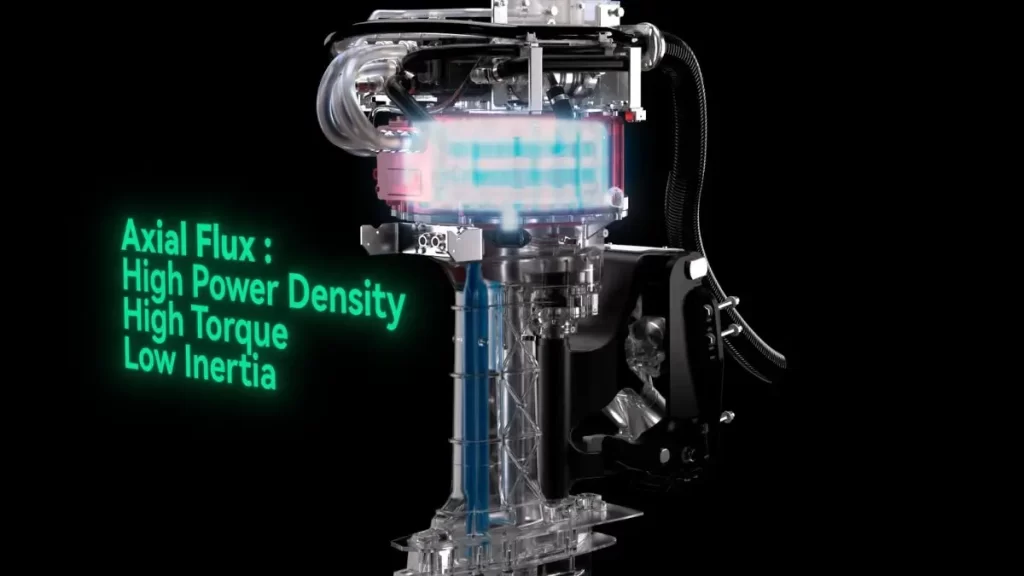
Yes, modern electric outboard motors are now a proven alternative to petrol engines, especially for commercial and eco-tourism use. ExploMar’s latest high performance electric outboard system combines a high-efficiency axial flux motor, liquid cooling system and re-designed reducer, and 100+ patented technologies. Together, they deliver instant torque, minimal vibration, and lower running costs. Unlike traditional outboards, there’s no fuel smell, oil changes, or idling waste — only smooth and silent power. For coded workboats and RIBs in the UK, electric propulsion helps operators meet local emission and noise regulations while improving comfort and the boating experience for passengers and crew.
ExploMar’s electric outboard system uses the same charging protocol and connector type as standard electric vehicles, ensuring wide compatibility and ease of use. For private boat owners, you can simply connect to any public EV DC charging station when the boat is on its trailer or parked at home. Alternatively, you can use the supplied 7 kW portable charger for convenient overnight charging.
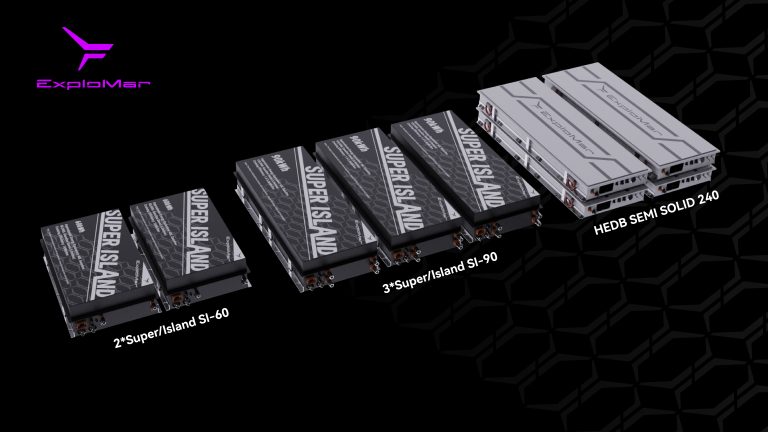
If you need to recharge while moored, ExploMar outboard motor provides a 7 kW DC charger that works seamlessly with the 3–6 kW yacht-dock power outlets already available in most marinas across the UK. Commercial operators with dedicated docks or fleets can invest in high-capacity fast-charging systems ranging from 40 kW to 240 kW, dramatically reducing turnaround times and enabling continuous operation throughout the day.
The ideal motor size depends on your boat’s displacement, hull design, and intended speed. ExploMar electric outboard motor recommends choosing an electric outboard that supplies roughly the same thrust as your current petrol model, but focusing on usable energy (kWh) rather than just horsepower. For example:
| Vessel type | Length (m) | Recommended ExploMar model | Approx. power |
| Inland canal boat / utility tender | 4 – 6 m | WAVE 70 or 100 | 70 – 100 hp eq. |
| RIB / patrol / fast-response craft | 6 – 8 m | WAVE 150 or 200 | 150 – 200 hp eq. |
| Tour / workboat / light ferry | 8 – 10 m | WAVE 300+ | 300 hp eq. and above |
If you typically cruise at displacement speeds and prioritise endurance, select a powerful motor that draws less continuous power but pair it with a larger battery pack. If you need planning performance, consider ExploMar’s higher-voltage configurations. Modern electric boats and electric outboards now offer sufficient range for longer trips while keeping emissions low. Choosing an electric outboard motor not only reduces operational costs but also enhances your boating experience, demonstrating the advantages of electric propulsion for both recreational and commercial vessels.